
Turn Orders Into Relationships
Every anonymous order is a missed relationship. Customer accounts let you know who orders, what they love, and how to bring them back.
Why Most Restaurants Lose Customers
A customer orders once. You fulfill it. They leave. You have no name, no email, no way to reach them again. Next time they are hungry, they start from scratch. Maybe they find you. Maybe they do not. You spent money to acquire them and got exactly one order out of it.
Customer accounts change that equation. When guests register, you capture their identity and preferences. Every order builds a profile. Every profile becomes a relationship. One account works across all your venues, so customers who discover you at one location can order from any of them.
The Business Case for Customer Accounts
One-Tap Reordering
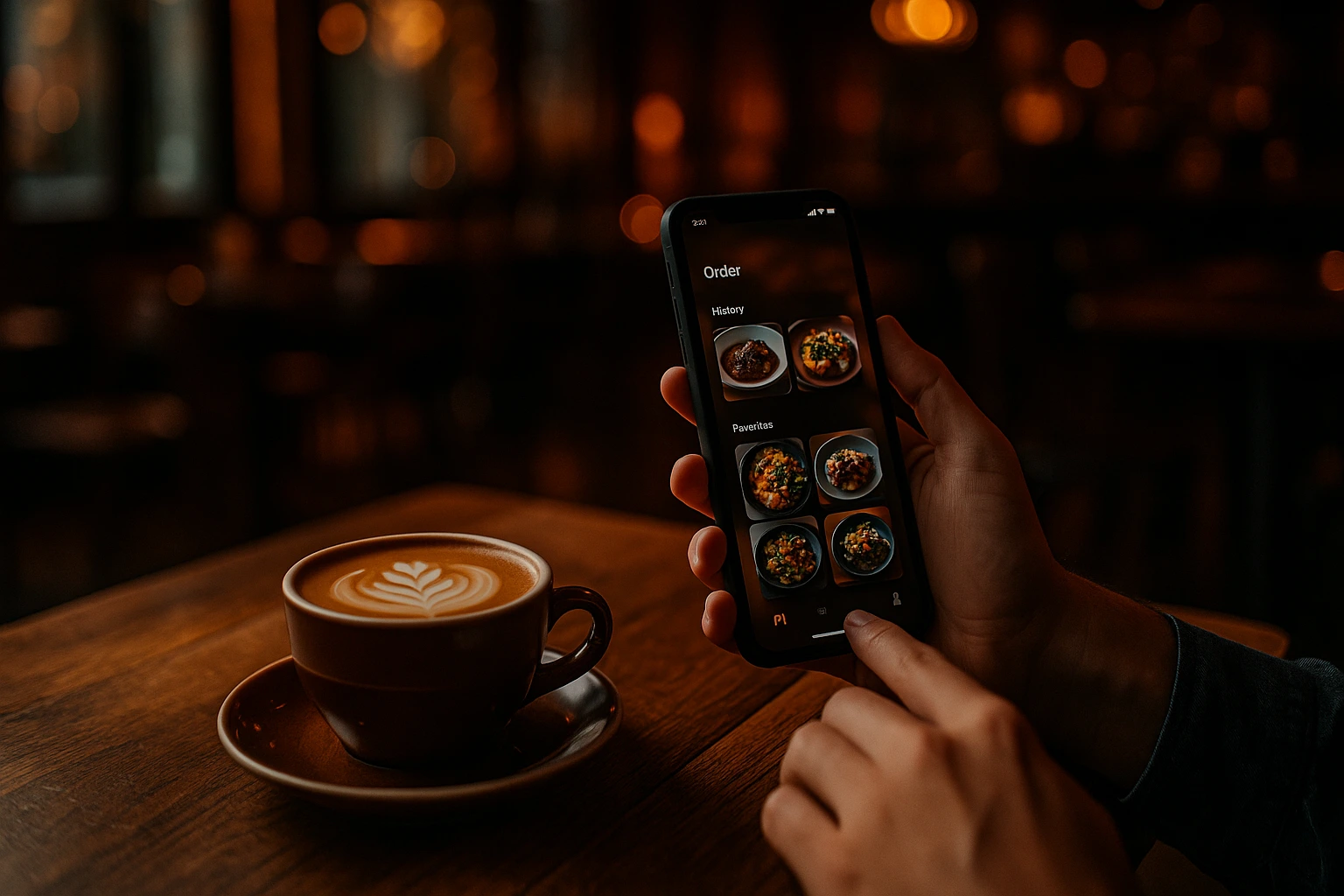
Returning customers see their past orders and reorder in seconds. Fewer steps means more completed orders.
Complete Order History
Every order is saved with full details. Customers browse what they liked and order it again without searching your menu.
Your Customer List, Not Theirs
When customers register on your site, you own that relationship. Their email, their preferences, their history. No middleman.
Lower Acquisition Cost
Repeat customers cost nothing to acquire. Every returning order improves your unit economics compared to chasing new traffic.
From Anonymous to Regular in Four Steps
Quick Registration
Customer signs up with email and name during their first order. Takes under a minute. No friction.
Email Verified
A confirmation email validates their address. You now have a verified contact for a real person who already ordered from you.
Orders Build a Profile
Every order is linked to their account. Over time, you see what they like, how often they order, and how much they spend.
They Come Back
With saved details and order history, checkout takes seconds. The easier it is to reorder, the more often they do.
What You Get
Frictionless Registration
Simple sign-up that does not interrupt the ordering flow. Customers register because it is easier, not because you forced them.
- Email and password in under 60 seconds
- Pre-filled checkout on every return visit
- One account works at all your venues
- Guest ordering still available, no walls
Verified Customer Database
Every registered customer has a confirmed email. You are building a marketing list of people who already bought from you.
- Email verification prevents fake signups
- Resend verification with one click
- Configurable: require verification before checkout
- Clean customer list ready for campaigns
Reorder From History
Customers see every past order with items, prices, and status, keep a favorites list with a tap on the heart, and add either back to the cart at today's price.
- Full history across all your venues
- Item-level detail for every order
- Order status tracking in real time
- Favorites list with one-tap add to cart — dishes that are off today say so
Customer Profiles You Control
Names, emails, phone numbers, order frequency. All stored on your platform, accessible in your admin panel.
- Contact details always up to date
- Order count and lifetime value visible
- Customers manage their own preferences
- GDPR-ready with self-service account deletion
How Restaurants Use This
Bring Back Lapsed Customers
See who has not ordered in 30 days. Send them a promo code. Reactivation costs a fraction of finding someone new.
Reward Your Regulars
Identify your top customers by order frequency. Give them exclusive offers. They already love your food. Give them a reason to order more.
Know What Sells to Whom
Track ordering patterns per customer. See average order values, favorite items, and peak ordering times for your registered base.
Market Directly, No Ad Spend
With verified emails, you can announce new menu items, seasonal specials, or promotions without paying for ads. Your list. Your reach.
One Customer, Multiple Venues
If you operate several locations, customers use one account everywhere. Their loyalty follows them across your brand.
No Account Required to Start
Customers can browse and fill their cart without registering. The account prompt comes at checkout, when the value is clear. No barriers to entry.
Own Your Customer Relationships
Acquiring a new customer costs five to seven times more than retaining an existing one. Yet most restaurants have no system for retention. Orders come in anonymously, get fulfilled, and the customer disappears. Customer accounts fix this by turning every transaction into a data point and every data point into a reason to come back.
Your Data, Your Business
When customers order through third-party platforms, those platforms own the customer data. They decide who sees your restaurant and when. With direct accounts on your own ordering site, every registration adds to a customer list you control. You can email them, analyze their behavior, and build offers that bring them back. That is the difference between renting customers and owning relationships.
Repeat Orders, Less Effort
A registered customer with saved details completes checkout in seconds. No retyping their name, email, or phone. No searching the menu for what they had last time. Order history with one-tap reorder removes every obstacle between craving and checkout. Less friction means more frequent orders from people who already trust your food.
Trust Through Transparency
Customers register when they trust you with their information. Email verification keeps your database clean. Secure password handling protects their credentials. Self-service account deletion gives them control. When customers feel safe, they are more likely to sign up, and a larger registered base means more direct revenue with zero acquisition cost.
Stop Losing Customers After One Order
Enable customer accounts and start turning first-time buyers into long-term regulars.
Related features
Other tools restaurants use alongside this one.
Automatically prompt customers for a Google review the moment their order is completed. Boost your online reputation and rank higher in local search — on autopilot.
Learn moreStop hoping customers will remember to leave a review. Every completed order triggers a one-tap rating prompt by email or SMS — happy customers go straight to Google, unhappy ones go privately to your inbox.
Learn moreStop tab-switching between Google, Yelp, Facebook, TripAdvisor, and Foursquare. We pull every review live, you reply once with an AI-drafted response, and never miss the SLA again.
Learn moreReach your customers directly via Email, SMS, WhatsApp, and Viber — with GDPR-compliant consent built into every order.
Learn more